A finish, not a course
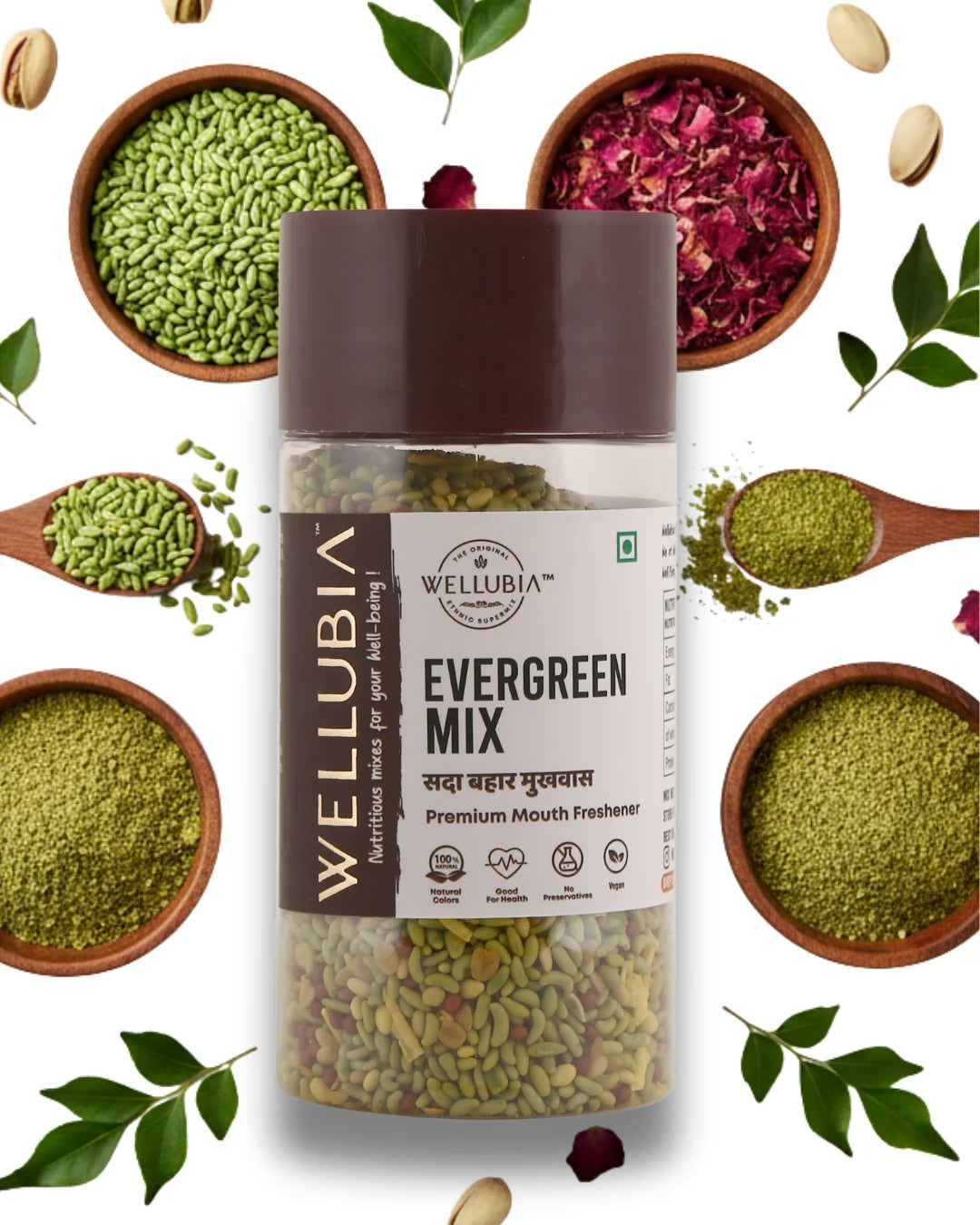
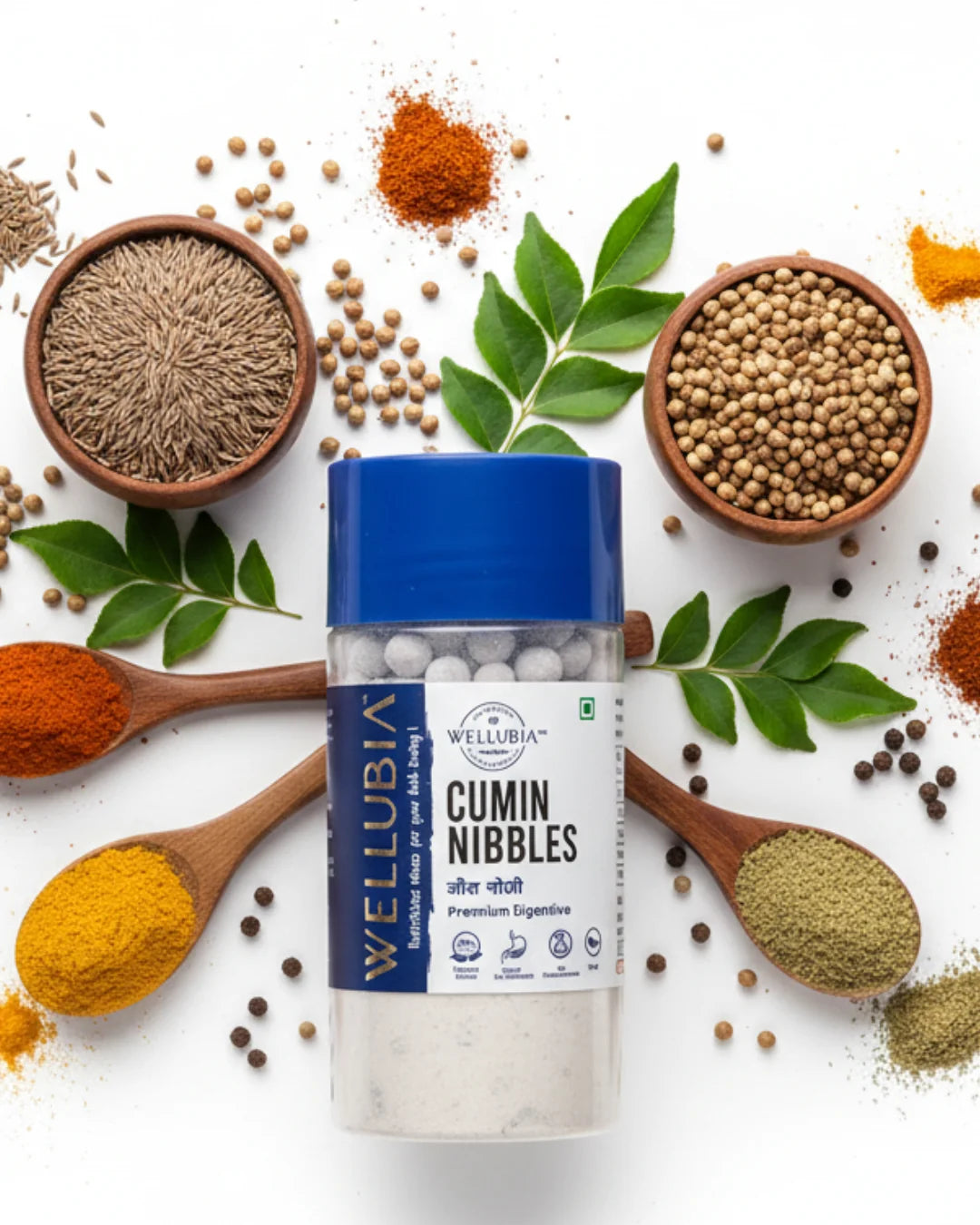
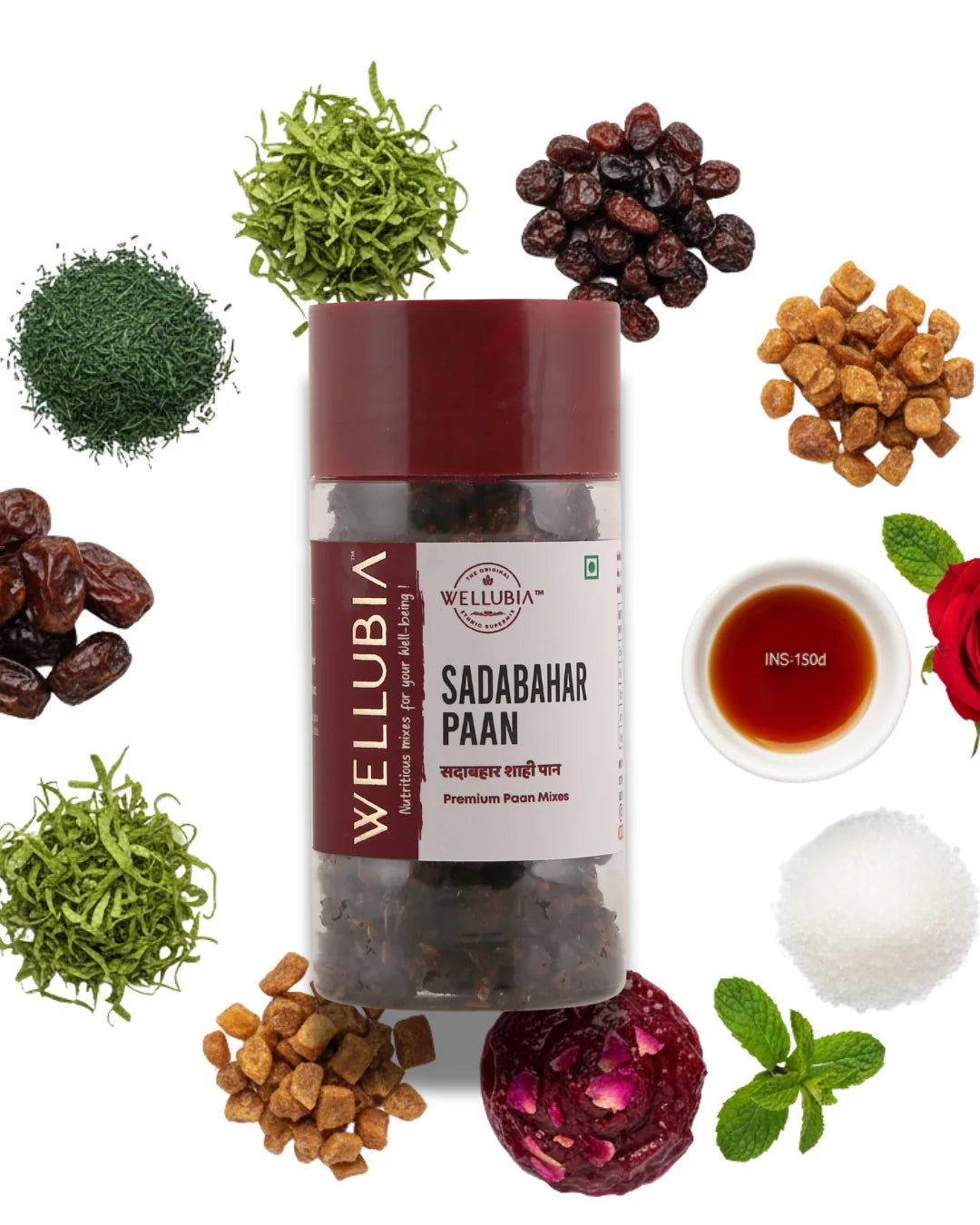
The Indian after-meal bowl rarely behaves like dessert. It is smaller, passed around and eaten slowly. It might hold plain fennel, a family mukhwas, supari-free paan mix, cardamom or a digestive candy. The serving itself says: stay a little longer.
Why every bowl is different
Climate, trade, agriculture, faith, family taste and available ingredients all shape the bowl. A household that prefers clean fennel may find a gulkand-rich mix too sweet. Another may consider rose and paan essential. There is no national standard recipe, only a recognisable habit with thousands of variations.
Bringing the bowl into modern life
Today, the after-meal bowl also travels in resealable pouches, jars, office drawers, wedding favours and corporate gift boxes. Good packaging should protect the food and make its ingredients, craft and story easy to understand.
A thoughtful way to serve it
- Offer a small bowl or dry spoon rather than asking people to pour from a shared pack.
- Keep the serving modest; mukhwas is eaten by the pinch.
- Label nuts, sesame and other allergens when serving guests.
- Close the pack immediately to protect aroma and texture.
Frequently asked questions
What is served after an Indian meal?
Depending on the home or restaurant, it may be plain fennel, mukhwas, cardamom, paan, a digestive candy or nothing at all.
Is mukhwas always traditional?
The format is traditional, while recipes continue to evolve. Contemporary blends may use new flavours or functional ingredients.