Mukhwas, in plain language
Mukhwas is a family of Indian after-meal blends eaten by the pinch. The name is often understood through two Sanskrit-rooted words: mukh, meaning mouth, and vas, associated with fragrance. In English, mukhwas is usually called an Indian mouth freshener or after-meal seed mix. There is no single compulsory recipe. One bowl may be mostly roasted fennel and sesame; another may carry rose, mishri, coconut, paan or dried fruit.
That flexibility is the point. Mukhwas is not one flavour. It is a format shaped by the household, the region, the meal and the person mixing it.
Why it appears after a meal
At many Indian tables, mukhwas arrives when the plates begin to clear but the conversation has not ended. A small pinch gives the mouth a fresh, aromatic finish and creates a gentle pause after eating. It belongs as much to hospitality as it does to flavour.
Traditional use is not the same as a medical claim. Fennel and other spices have long culinary histories, but a mukhwas should be described and enjoyed as food unless a specific product has evidence and regulatory approval for a health claim.
What goes into it
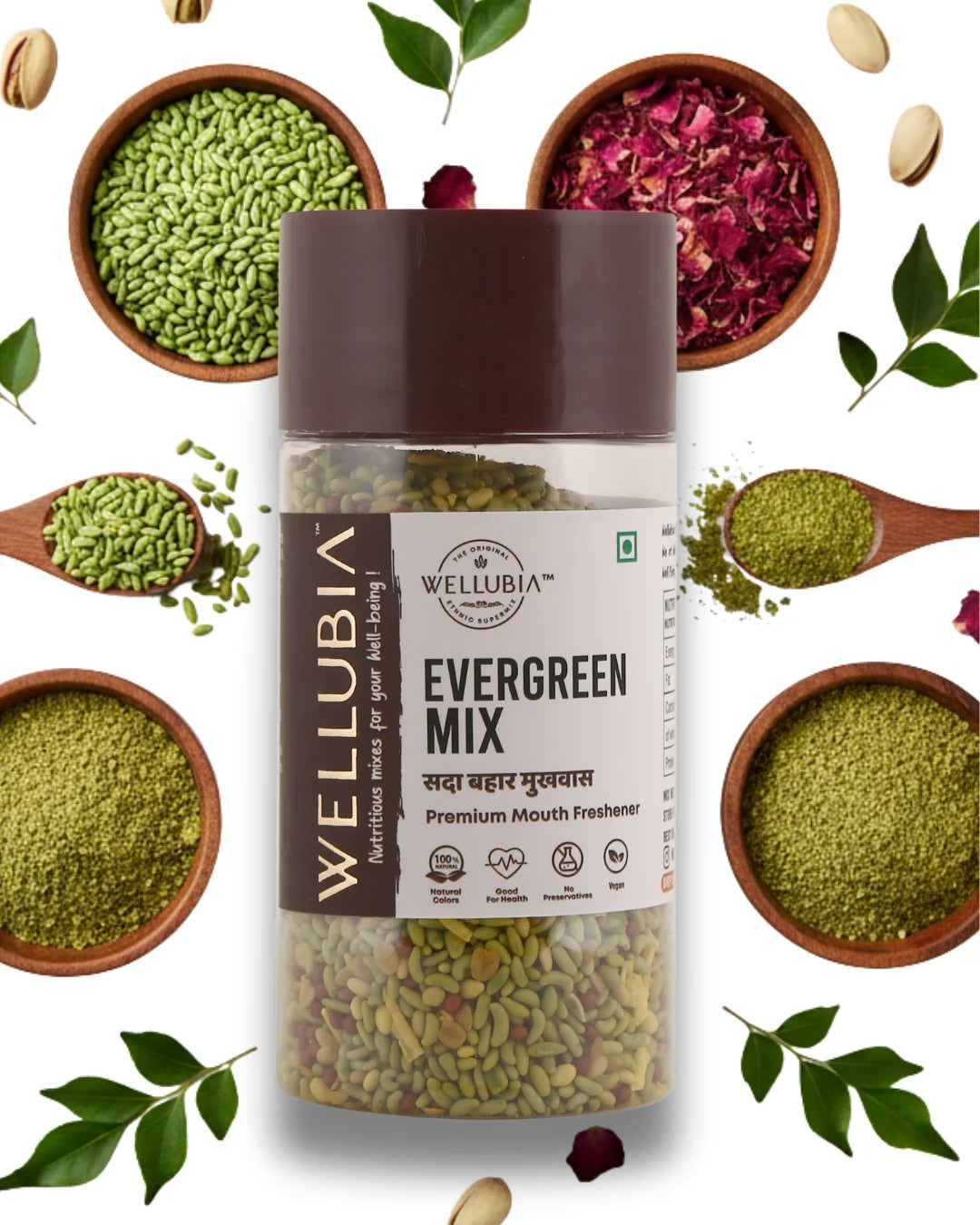
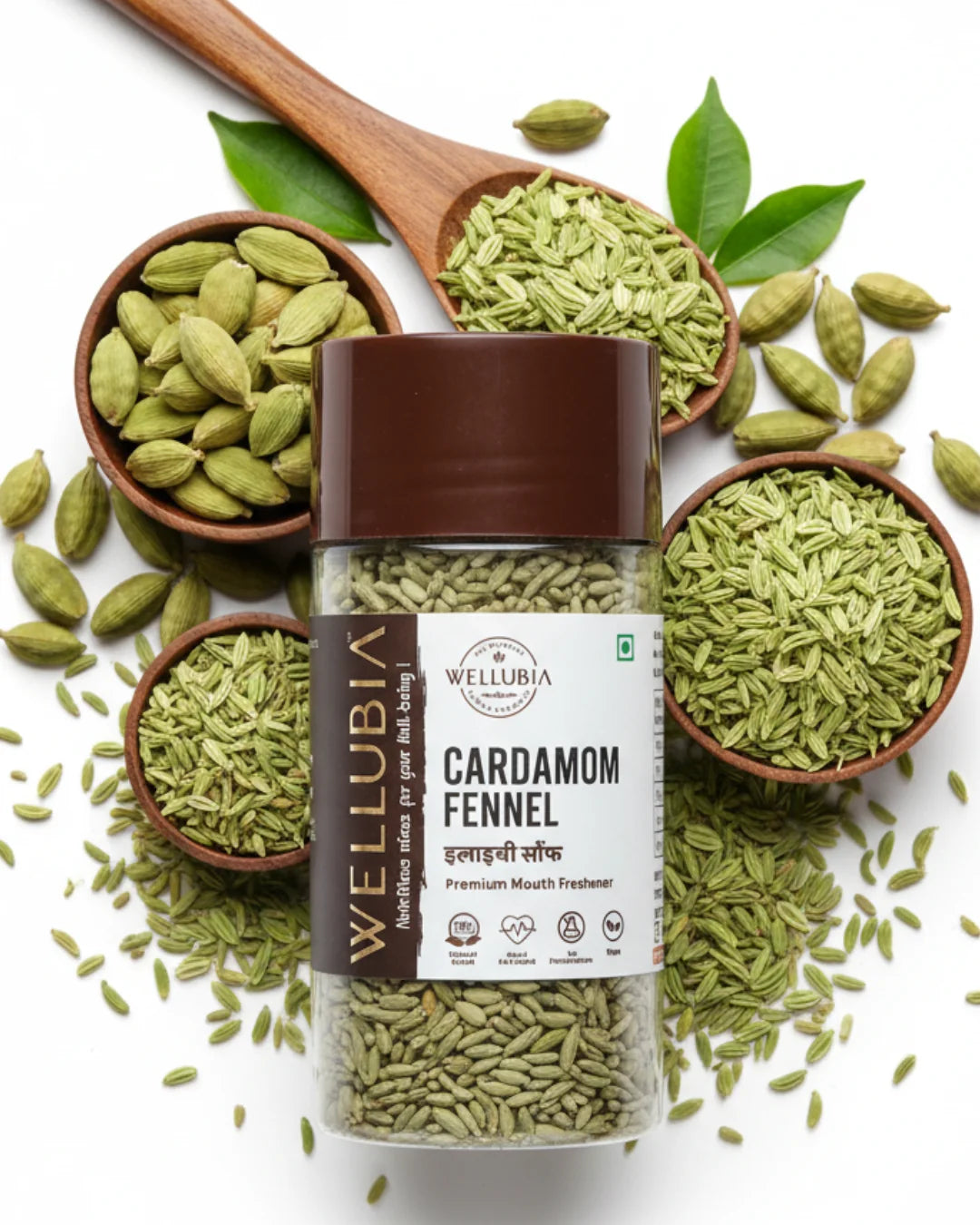
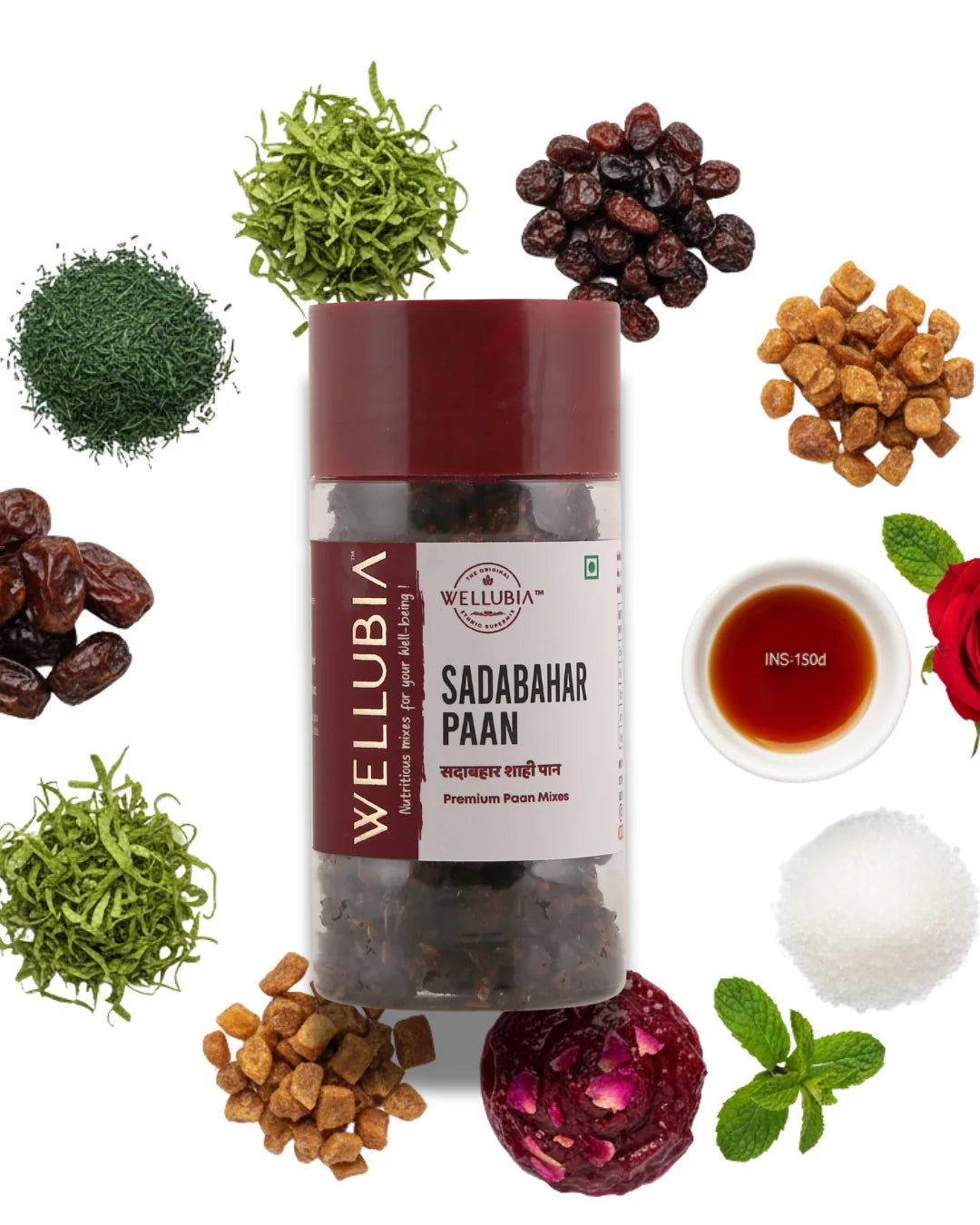
Common building blocks include fennel or saunf, coriander seed, sesame, cardamom, rose petals, mishri, coconut, amaranth, ajwain, dried dates and paan. Texture matters as much as taste: a good blend moves between crisp, tender, puffed, chewy and slow-melting pieces.
Sweetness can come from mishri, candied fennel, gulkand or dried fruit. Savoury blends may use rock salt, cumin, ajwain or aamchur. Premium mukhwas is not defined by more sugar or more decoration; it is defined by ingredient clarity, balance, freshness and finish.
Mukhwas across India
Regional names and combinations change. Benaras-inspired blends often lean towards meetha paan, gulkand, coconut and dates. Saurashtra and Kathiawad make room for sour and savoury notes such as aamchur, ajwain and sesame. Lucknow suggests quieter floral and nutty profiles; Bengal readily carries paan, rose and crystalline sweetness.
These are flavour interpretations, not rigid borders. Food travels, families move and recipes borrow freely. Wellubia’s Heritage Collection uses place as a creative lens rather than claiming one definitive recipe for a city.
How to choose a mukhwas
- Choose fennel-led blends for a familiar, aromatic finish.
- Choose paan and rose when you want a sweeter, more expressive profile.
- Choose seed-heavy blends when crunch and lower sweetness matter most.
- Choose ajwain, cumin or aamchur for a sharper, savoury finish.
- Check the ingredient list for allergens and dietary needs.
Start with a small quantity. Aroma and texture are strongest when the pack is fresh and closed properly between servings.
Frequently asked questions
Is mukhwas the same as saunf?
No. Saunf is fennel seed. It may be eaten on its own, while mukhwas is a broader category of after-meal blends that can include fennel plus seeds, spices, herbs, fruit and sweet elements.
Does every mukhwas contain sugar?
No. Some blends are sweet, some are lightly sweetened, and some focus on roasted seeds and spices. Read the product ingredient list rather than relying on the category name.
When is mukhwas eaten?
Most commonly after a meal, although many people also keep it at a desk, in a handbag or while travelling.
Is mukhwas a medicine?
Ordinary mukhwas is food, not a substitute for medical or dental care. Product-specific claims should be supported and compliant with applicable food regulations.