The taste of amla
Fresh amla is sharply sour and astringent. Processing changes it considerably: dried pieces become chewy, candied amla becomes sweeter, and powder disperses tartness across a blend. The format should be clear because it changes both flavour and nutrition.
Amla with seeds and spices
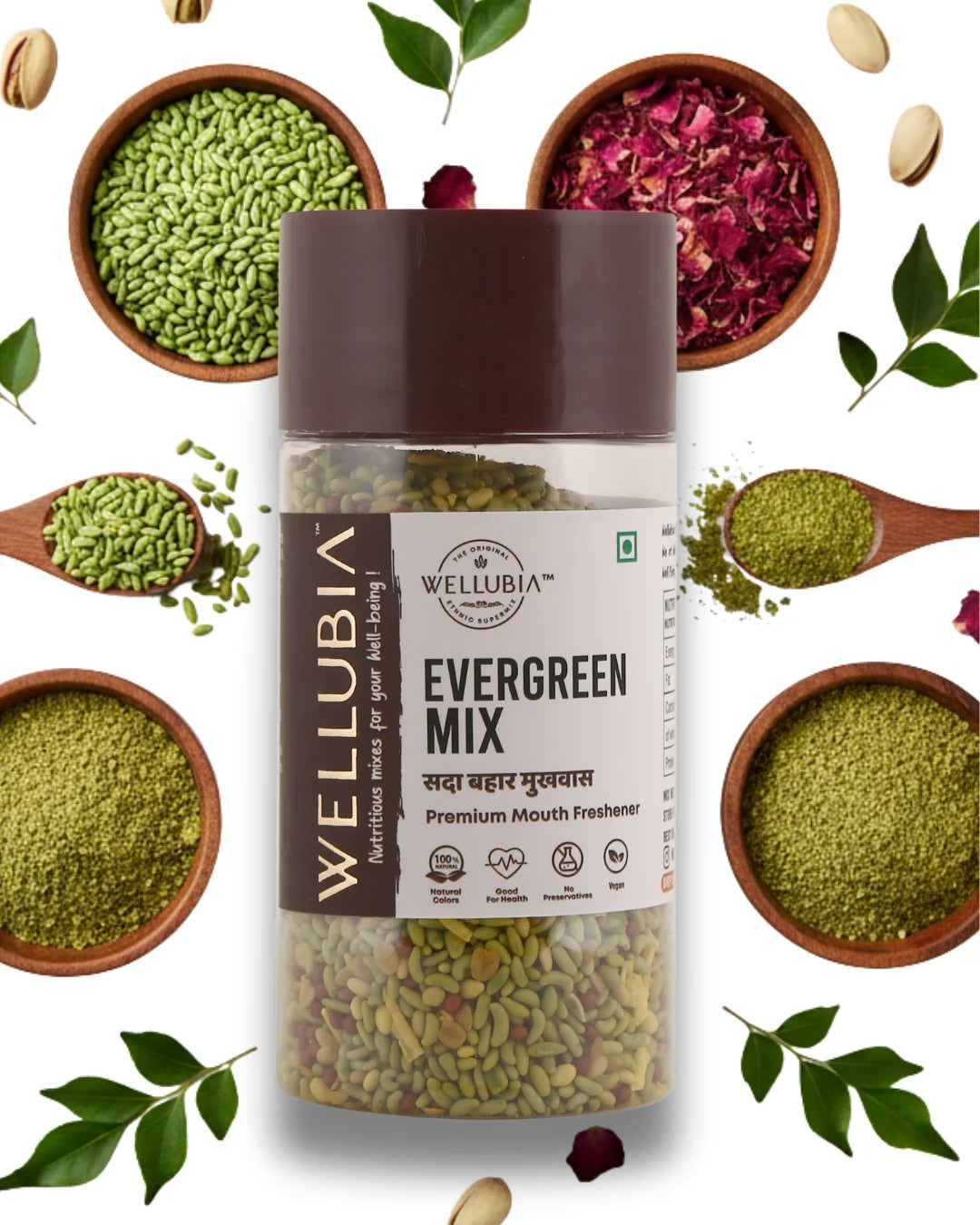
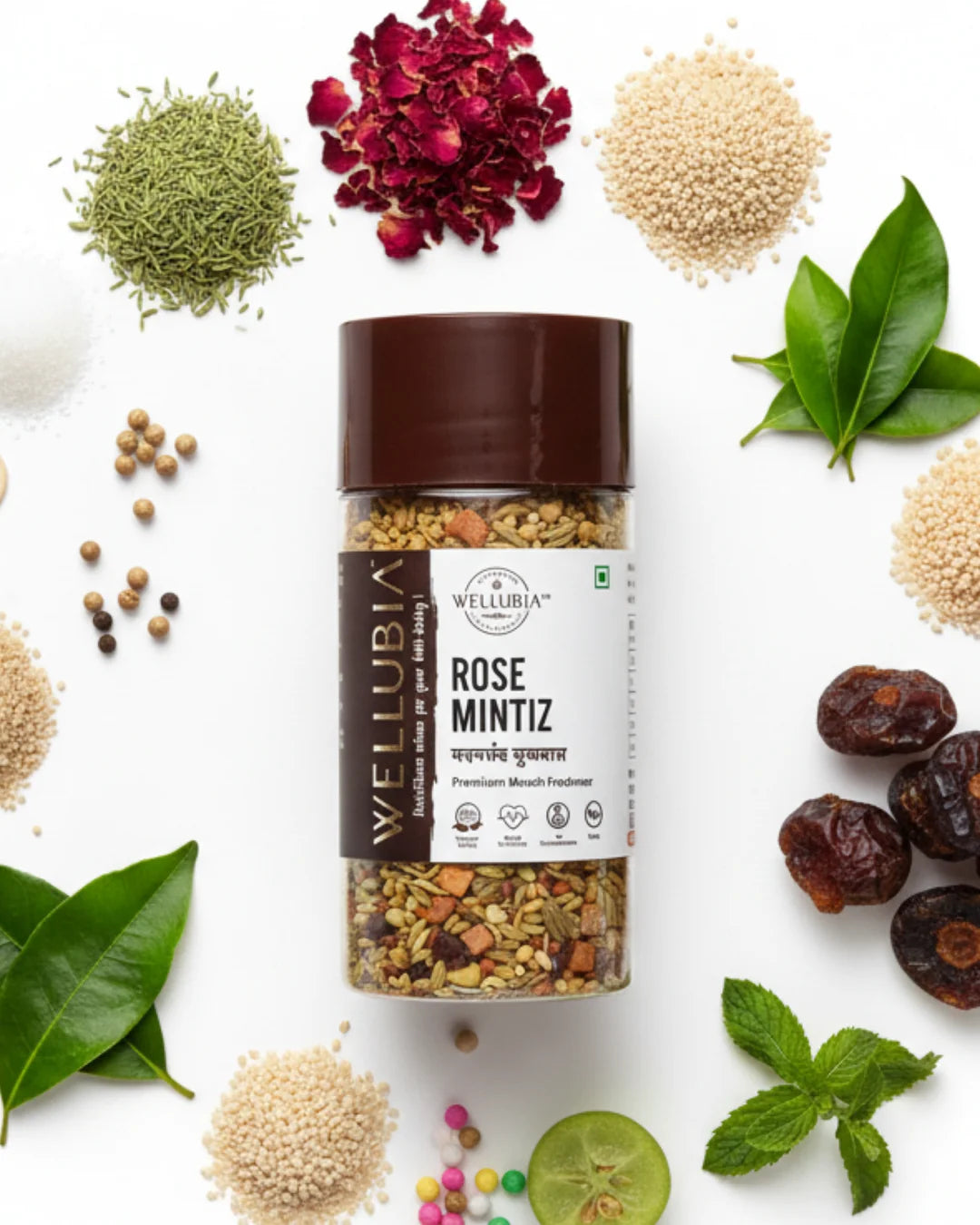
Amla works with fennel, orange zest, cumin, rock salt and mild sweetness. In a modern morning or travel blend, it can provide a bright top note while seeds provide texture and staying power.
Claims and context
Amla is nutrient-rich as a food, but nutrition depends on quantity and processing. A small serving of mukhwas should not be presented as a cure or as equivalent to eating a large serving of fresh fruit.
What to check
Look for the form of amla used, added sweeteners, serving size and the overall ingredient order. If the product makes a nutrient claim, the nutrition panel should support it.
Frequently asked questions
Is amla the same as Indian gooseberry?
Yes. Amla is the common Indian name for Phyllanthus emblica, often called Indian gooseberry.
Is dried amla sugar-free?
Not necessarily. Some dried amla is candied or sweetened, so check the ingredient list.